
The Benefits of Mindfulness Meditation for Stress Relief

Updated: Apr 19
Stress impacts millions daily, frequently resulting in physical and mental health issues. Discovering effective stress management techniques is crucial for sustaining well-being. Mindfulness meditation has emerged as a practical and accessible approach to alleviate stress and enhancing overall health. This post delves into how mindfulness meditation functions, its advantages for stress reduction, and how you can begin practicing it.

What Is Mindfulness Meditation?
Mindfulness meditation involves paying close attention to the present moment without judgment. Instead of letting your mind wander to worries about the past or future, you focus on your breath, bodily sensations, or sounds around you. This practice helps you become aware of your thoughts and feelings without getting overwhelmed by them.
Unlike other forms of meditation that may require specific beliefs or rituals, mindfulness meditation is simple and can be adapted to fit any lifestyle. You can practice it sitting, walking, or even during daily activities like eating or washing dishes.
How Mindfulness Meditation Reduces Stress
Stress triggers a fight-or-flight response in the body, releasing hormones like cortisol and adrenaline. When stress becomes chronic, these hormones can harm your health, causing issues like high blood pressure, anxiety, and sleep problems.
Mindfulness meditation helps by:
Lowering cortisol levels: Studies show that regular mindfulness practice reduces cortisol, the main stress hormone.
Improving emotional regulation: Mindfulness teaches you to observe your emotions without reacting impulsively, which reduces anxiety and frustration.
Enhancing relaxation: Focusing on the breath activates the parasympathetic nervous system, promoting calmness.
Breaking negative thought patterns: Mindfulness interrupts cycles of worry and rumination that fuel stress.
For example, a 2014 study published in JAMA Internal Medicine found that participants who practiced mindfulness meditation for eight weeks reported less stress and anxiety compared to those who did not meditate.
Practical Benefits Beyond Stress Relief
Mindfulness meditation offers benefits that extend beyond immediate stress reduction:
Better sleep quality: Mindfulness helps quiet the mind, making it easier to fall asleep and stay asleep.
Improved focus and concentration: Regular practice trains your brain to stay present, which enhances productivity.
Reduced symptoms of depression and anxiety: Mindfulness supports mental health by increasing self-awareness and acceptance.
Lower blood pressure: Relaxation from meditation can help reduce hypertension over time.
These benefits make mindfulness a valuable tool for anyone looking to improve their overall health and resilience.

How to Start Practicing Mindfulness Meditation
Starting mindfulness meditation does not require special equipment or a lot of time. Here are some simple steps to begin:
Choose a quiet spot: Find a place where you can sit comfortably without distractions.
Set a timer: Start with 5 to 10 minutes daily and gradually increase as you feel comfortable.
Focus on your breath: Pay attention to the sensation of air entering and leaving your nostrils or the rise and fall of your chest.
Notice your thoughts: When your mind wanders, gently bring your attention back to your breath without judgment.
Be consistent: Daily practice builds the habit and deepens the benefits.
You can also use guided meditation apps or videos if you prefer some direction. Many people find that practicing mindfulness in the morning or before bed fits well into their routine.
Tips for Maintaining a Mindfulness Practice
Start small: Even a few minutes a day can make a difference.
Be patient: Mindfulness is a skill that develops over time.
Avoid self-criticism: It’s normal for the mind to wander; gently refocus without frustration.
Incorporate mindfulness into daily activities: Try mindful walking, eating, or listening to music.
Join a group or class: Practicing with others can provide support and motivation.
Real-Life Example
Consider Sarah, a busy professional who struggled with anxiety and sleepless nights. She began practicing mindfulness meditation for 10 minutes each morning. After a few weeks, she noticed she felt calmer during stressful meetings and slept more soundly. Over time, her anxiety decreased, and she felt more in control of her emotions.
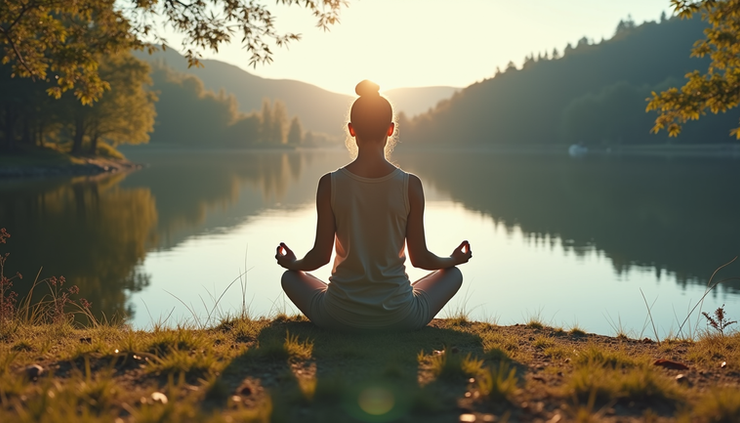
Mindfulness meditation helped Sarah manage stress in a practical way that fit her lifestyle. Her experience reflects the positive impact this practice can have on many people.



Comments